

How to Prepare Your Pool for Summer in the Inland Empire
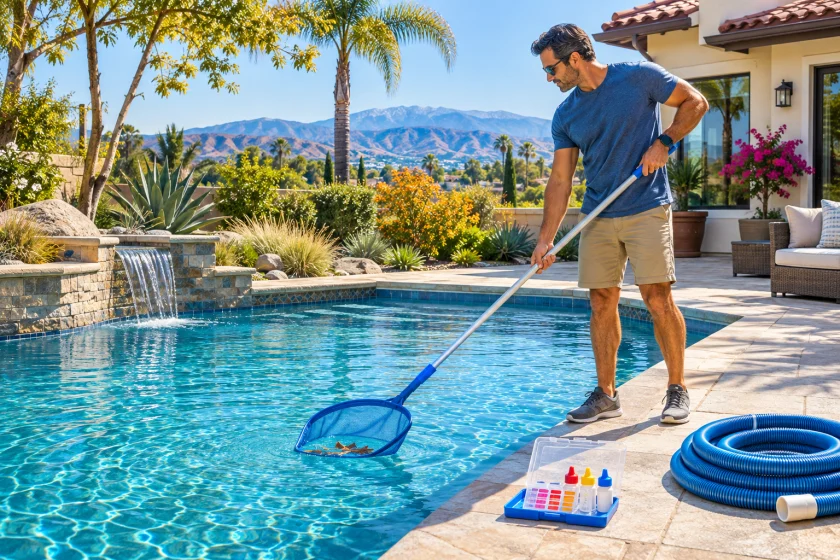
Summer places heavier demands on a swimming pool. Warmer water, stronger sunlight, evaporation, windblown debris and frequent swimming all affect water balance and sanitation. Preparing before the hottest weeks arrive makes the pool easier to maintain and reduces the chance of cloudy water, algae or equipment trouble during peak use.
In the Inland Empire, preparation should focus on reliable circulation, accurate water testing and a realistic maintenance schedule. The following steps create a strong foundation for the season.
Inspect the Pool and Deck
Walk around the pool before increasing its operating schedule. Look for changes that may have developed during cooler months, including loose tile, damaged coping, cracks, stains, worn sealant or areas where water is collecting. Check ladders, rails, gates and drain covers for secure installation. Addressing visible problems early can prevent a small repair from interrupting summer use.
Clean the Pool Thoroughly
Remove leaves and debris, brush the walls and steps, and vacuum the floor. Empty the skimmer and pump baskets. If the waterline has developed buildup, use a cleaner intended for the pool surface. A thorough cleaning removes material that consumes sanitizer and gives you a clearer view of the pool's condition.
Check the Circulation Equipment
Inspect the pump, filter, valves and visible plumbing while the system is running. Watch for leaks, air in the pump basket, weak return flow, unusual noise or pressure readings that differ from the system's normal range. Clean or backwash the filter according to its type and the manufacturer's instructions. A clean filter and properly operating pump are essential when warm water and heavy use increase the demand on the system.
Test and Balance the Water
Clear water can still be out of balance. Test sanitizer, pH, total alkalinity, calcium hardness and stabilizer before the pool enters regular use. Balanced water helps sanitizer work effectively and protects surfaces and equipment from scale or corrosion.
Bring a fresh water sample to Poolwerx Redlands for free computerized water testing. Use a clean container and collect the sample from elbow depth, away from return jets and skimmers. A detailed test can identify adjustments that basic test strips may miss.
Confirm the Summer Operating Schedule
The pump must run long enough to circulate and filter the water under current conditions. There is no single schedule that fits every pool. Pool size, pump speed, filtration, temperature, debris and swimmer load all influence the appropriate runtime. Variable-speed pumps may use different speeds throughout the day for filtration, heating and water features.
Prepare for Heat and Evaporation
Hot, dry weather can lower the water level quickly. Maintain the level near the middle of the skimmer opening so the pump can draw water properly. Inspect for a leak if water loss seems greater than normal evaporation. A pool cover can reduce evaporation when appropriate, but it should be used and stored according to its design.
Plan for Busy Swim Days
More swimmers introduce sunscreen, body oils and other contaminants. Test the water more frequently during periods of heavy use, empty baskets, and clean the waterline as needed. Encourage swimmers to rinse off before entering the pool and keep landscaping debris from blowing into the water.
Keep a Simple Weekly Routine
Test and adjust the water
Empty skimmer and pump baskets
Brush steps, walls and low-circulation areas
Skim debris and vacuum as needed
Check filter pressure and water flow
Look for leaks, unusual sounds or error messages
Summer Pool Questions
How often should pool water be tested in summer
Testing frequency depends on temperature, use and the sanitization system. Test more often during extreme heat, after storms, after a large gathering or whenever the water's appearance changes.
Why does my pool lose more water in hot weather
Heat, dry air and wind increase evaporation. Normal evaporation is gradual. A rapid drop, wet soil, air entering the pump or unexplained chemical demand may justify a leak evaluation.
What should I do before a pool party
Test and balance the water, confirm good circulation, remove debris and make sure safety equipment is available. Recheck the pool after heavy use and adjust care based on the results.
Get Ready for Summer
Poolwerx Redlands provides free computerized water testing, pool supplies, replacement parts and professional service for Inland Empire pool owners. Visit our Redlands store for a personalized water-care plan or request service if your equipment needs attention before summer.